
Stay connected
Involving family and friends
Many people affected by dementia find that their social circle can get smaller. Family and friends might be unsure of how to approach the situation after a diagnosis of dementia. We want to encourage family and friends to remain involved in the lives of people affected by dementia. Our research shows the many benefits of maintaining these relationships for both the person with dementia and the carer.
On this page we:
- consider why it’s important to maintain contact with family and friends
- share a meeting between Year 10 and 12 students and the Toolkit involvement group – find out what they wanted to know about dementia!
- offer strategies for how to involve younger generations in the life of a person with dementia

The emotion you feel from a visit far outstrips any good news that might have been imparted because you won’t remember that. But it’s the emotional feeling that you are left with.
A person with dementia speaking to our researchers about the importance of seeing people

How can we involve family and friends in the lives of people with dementia?
In this video, a range of professionals from dementia care and research talk about involving friends and family in the dementia journey. Among the things discussed are:
- how often people affected by dementia say that friends have dropped away
- continuing activities you did together before, but perhaps with slight adaptations
- the importance of being realistic about what you can do and what you would like to do
Click on the image below to watch the video. It is 6 minutes long.

Tips for remaining connected:
- have an activity or a goal for your interaction. It can be as simple as having a beer together and discussing a rugby result.
- encourage younger children to involve older relatives in their activities, such as by reading to them.
Why and how to involve all the generations
It’s important to involve younger people in conversations about dementia. 6 members of the toolkit involvement group met with Year 10 and 12 Health and Social Care students from South Devon UTC.
This was an important opportunity for the students to be able to ask questions about dementia and hear from people with lived experience.
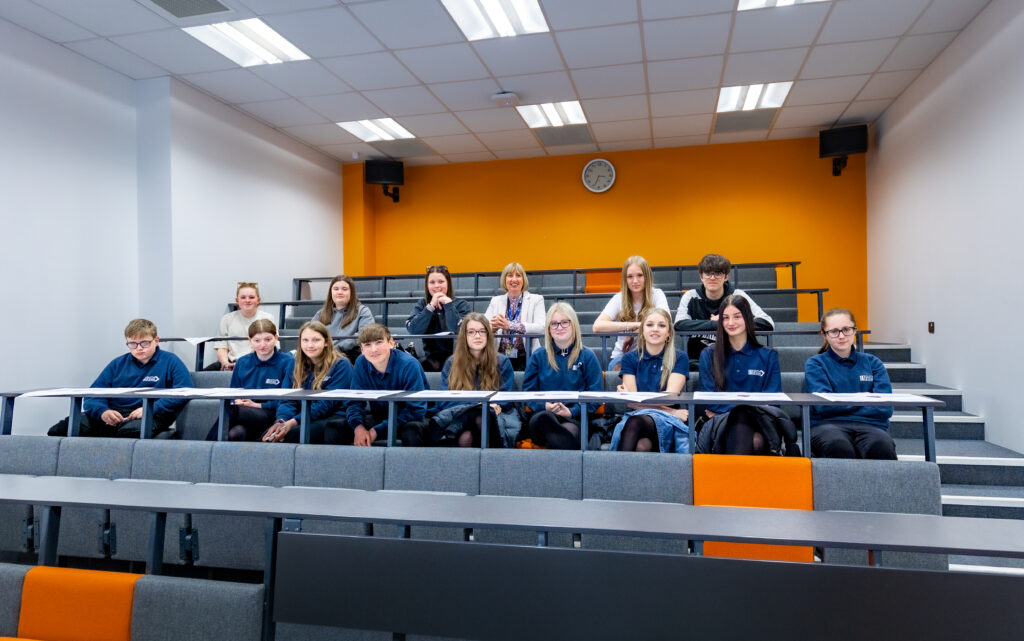
Click on the image below to watch the video. It is 12 minutes long.
In the video below, former carer Jane explains the importance of having a wider social network and offers tips for involving young people in the life of a person with dementia:
Click on the image below to watch the video.

Young people might be able to help with:
- digitising old photographs
- collecting the stories behind photographs for a memory book
- creating a personal playlist for the person with dementia
Jane mentions Playlist for Life in this video. To learn more about this, visit the Dance with playlist for life page.
Jane also shares a story of how a cricket match brought three generations of a family together on the Sporting memories page.
We’d like more help from friends – we feel a bit abandoned – not physical help, just someone to chat to.
A carer speaking to our researchers
How could we improve this page? Visit the Contact us page to let us know.
Involving family and friends
You can print a paper version of this resource by clicking the button below.
