
Stay connected
Your local community
Wherever you live, there are local connections to be made. People with dementia and carers live in all kinds of communities. The people involved in IDEAL lived in lots of different places, from major cities all the way through to tiny villages.
On this page we:
- share insights from workshops on improving local communities
- hear from people affected by dementia who live in rural communities
- link you to resources on dementia friendly rural communities and dementia in farming
- reveal what IDEAL has found about how communities can support people affected by dementia

This place here is a community. The people who have apartments here have had pretty significant jobs to do in life and they’re very intelligent people and it is great to go down to lunch and sit with some of them and discuss whatever interesting thing was going on in the world.
A person with dementia talking to our researchers

Improving local communities
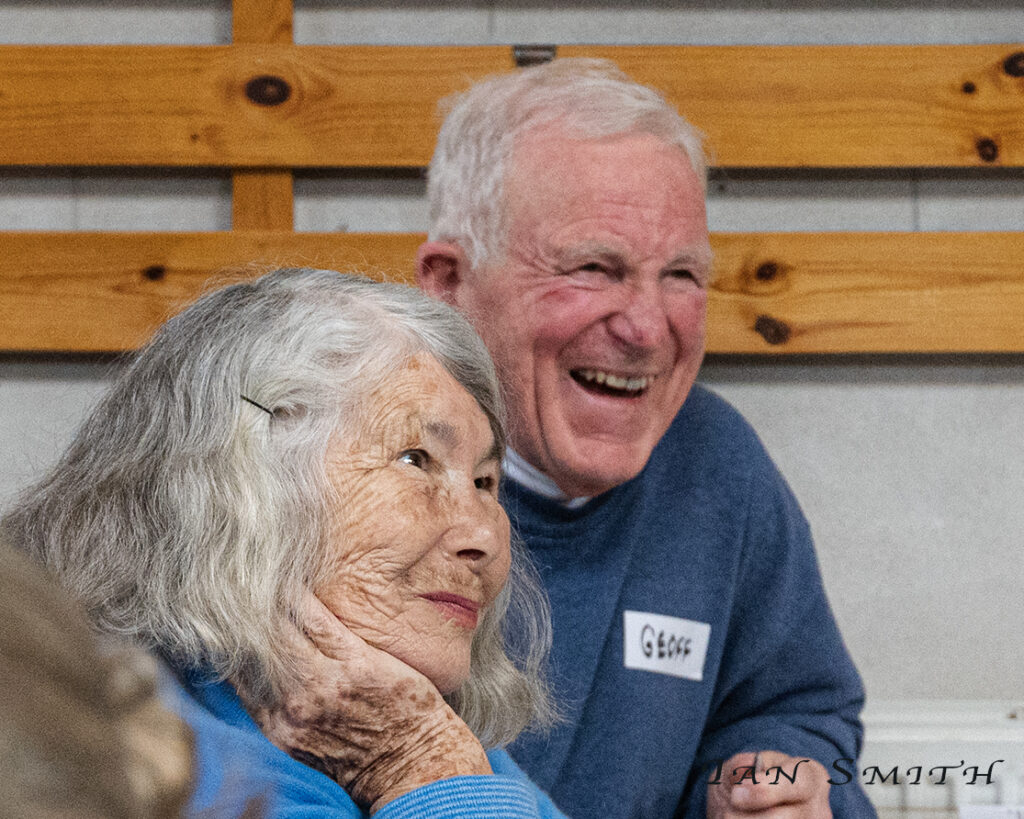
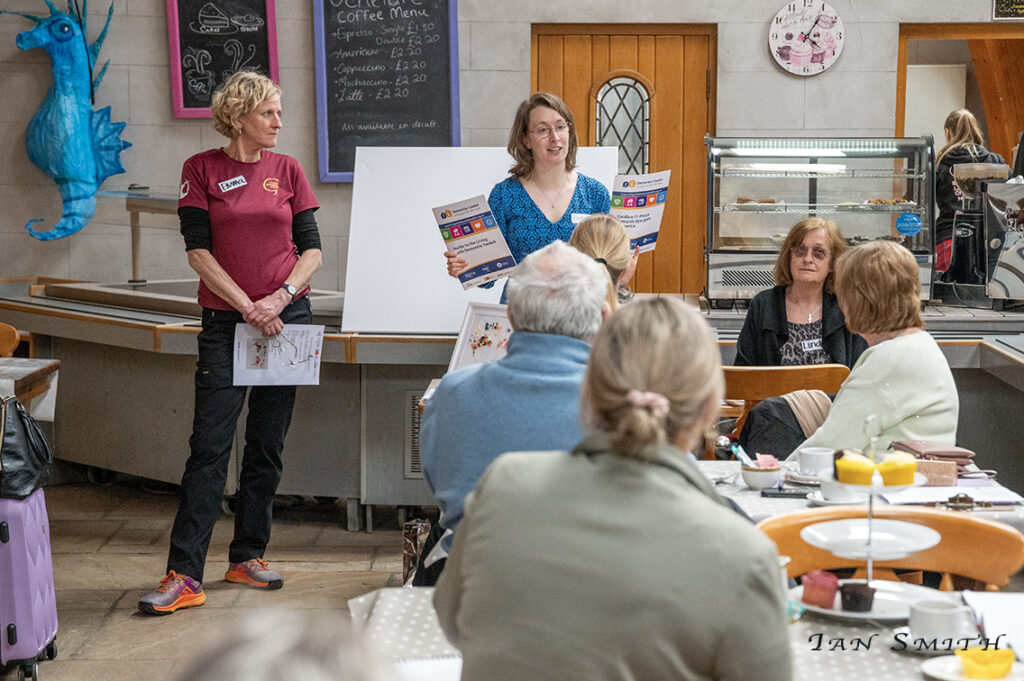
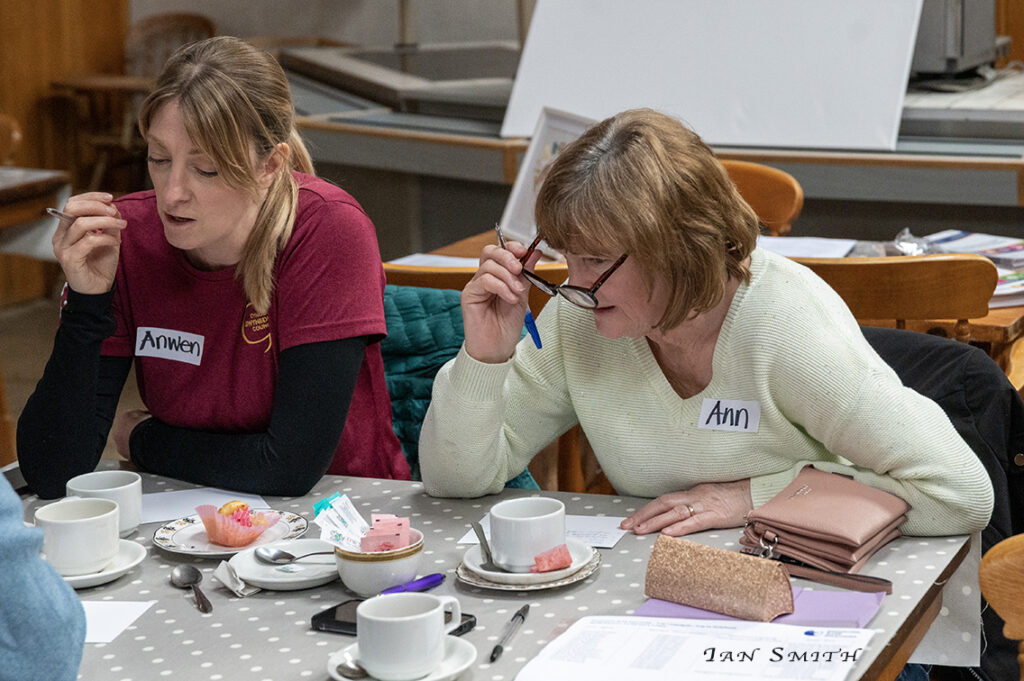
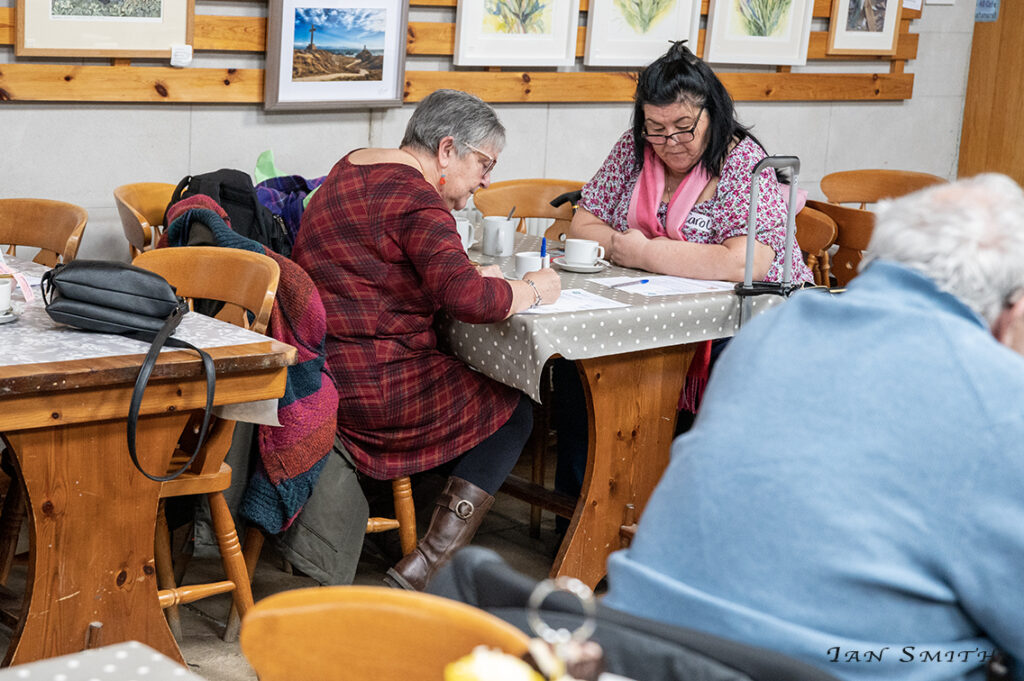
As part of a project funded by the Arts Council of Wales, we held two, free, bilingual community workshops in North Wales. We asked people with dementia and carers 'How can we improve the experience of living with dementia?'. People with dementia and carers want to stay connected to their local community. Gail Gregory, who lives with dementia, designed this artwork for the project:

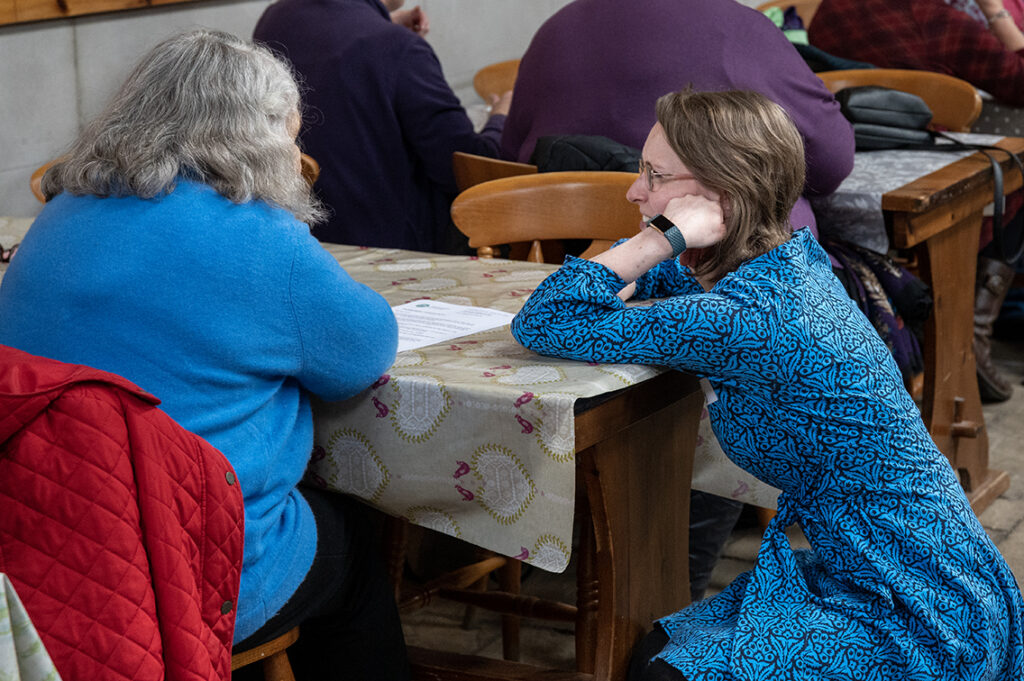
Below we share the main findings from each question in graphics, but you can read the full report to find out more detail and hear many more quotations from people with dementia and carers.
Click here to read the full report from the community workshops.
People with dementia and carers could identify what they thought was good about their local community:

People with dementia and carers were very clear about what needed improving in their communities:

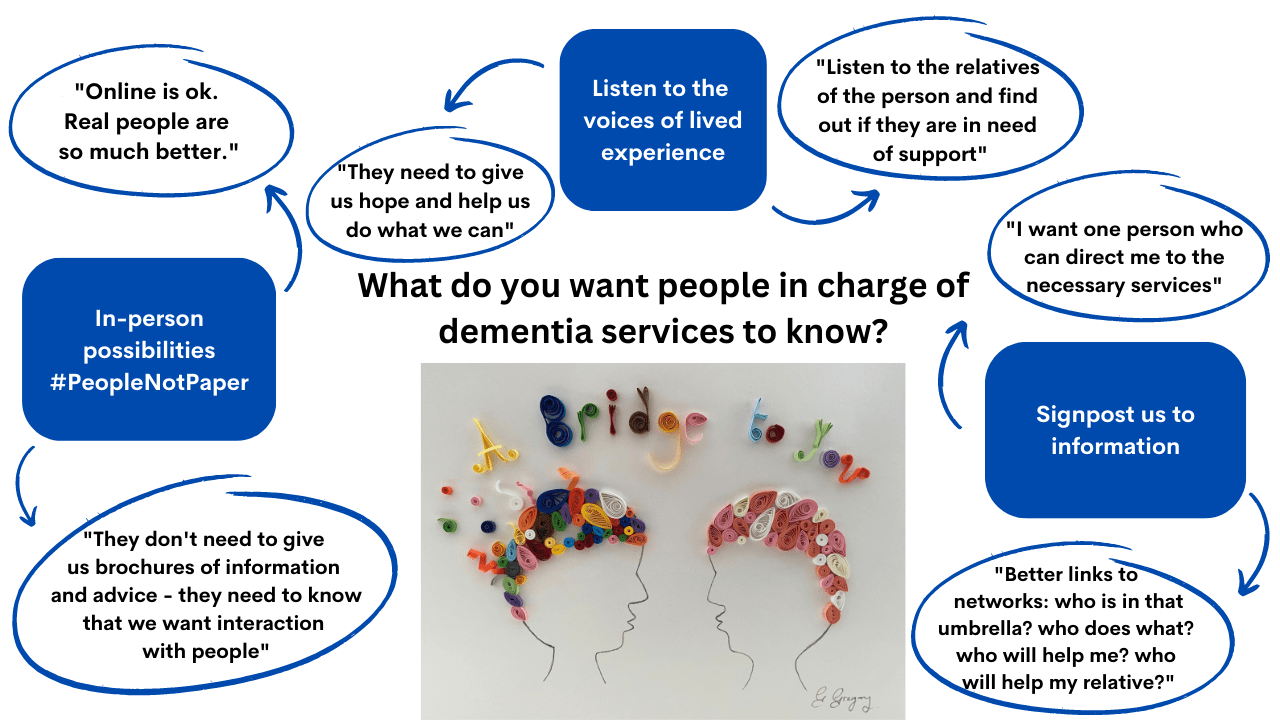
Finally, they had important messages for the people in charge of dementia services, so we hope you're listening:
What is it like living with dementia in a rural community?
We spoke to 4 different families living with a dementia diagnosis in rural communities to find out what life is like. The following 4 videos explore different topics. We hope you enjoy them!
In the first video, we find out how people would describe where they live and whether living in a rural area affected the diagnosis process.
Click on the image below to watch the video. It is 8 minutes long.

The second video considers what support people have to live a good life with dementia where they live. They discuss:
- some dementia-specific groups and information
- local singing, gardening or art appreciation groups (which might not be related to dementia)
- the importance of things which work for the individual: that fit with your age group and/or your interests
- very supportive local communities
Click on the image below to watch the video. It is 6 minutes long.

We also asked people to tell us the best things about living in a rural area and any challenges they had found. Among other things, they discuss:
- watching the changing seasons and enjoying nature
- having a close-knit community where people know you
- the need for a car to access shops or services
Click on the image below to watch the video. It is 6 minutes long.

Finally, we asked people what advice they would give to other people dealing with a dementia diagnosis who live in a rural area. Among other things, they talk about:
- getting involved in local activities
- telling other people about the diagnosis
- finding ways of giving your week structure
Click on the image below to watch the video. It is 4 1/2 minutes long.
Dementia in rural communities
There has been dedicated research into how living rurally affects people with dementia. Some people living with dementia in rural areas can feel excluded and disempowered. They may be unable to access support and can miss out on basic elements of community life like transport, shops, healthcare, pharmacies and banks. People living with dementia in rural farming communities can also face specific challenges.
Despite these challenges, there is a strong sense of community in rural areas. People living with dementia should feel fully supported and integrated into all aspects of their community life. Rural communities and organisations can support people affected by dementia to keep connected to their community in new and creative ways.
Click here to download a copy of Dementia-friendly rural communities guide.
The guide, which was developed by Alzheimer’s Society with the Prime Minister’s Champion Group on Rural Dementia, people living with dementia, and their carers, outlines how everyone – from local authorities and businesses to parish councils and individuals – can support people living with dementia to continue feel connected to their community.
Click here to read a copy of Dementia in farming.
The Farming Community Network can help people affected by dementia who upkeep and manage farms. This document explains how they can help you and includes a real life story from Jennifer and Patrick who own a farm in Dorset.
IDEAL research on communities
As part of the IDEAL research programme, we asked people with dementia “What do you think could be changed in the local community to enable people like yourself to live well?”. We also asked carers “What do you think could be changed in the local community to enable people with dementia to live well with dementia?”. 1,172 people with dementia and 702 carers answered.
Researchers analysed what people had said. There were four common topics people with dementia and carers talked about:
- better understanding of dementia within local communities
- increased access to support and health care services
- access to activities and opportunities to socialise
- support to engage with the local community, including easy-to-use
outdoor environments
Click here to read the full accessible summary of this research article.
The community is more aware of each other [since COVID-19]: we went out yesterday after lockdown and everyone in the town was speaking together. The sense of community is more.
A carer speaking to our researchers
How could we improve this page? Visit the Contact us page to let us know.
Your local community
You can print a paper version of this resource by clicking the button below.
