
Stay positive
Ideas for happy days
This resource was designed by Raina Lele, a 16-year-old student from Denmark Road School, Gloucester. Raina won our competition for 11-18-year-olds. The judges were particularly impressed by her clear instructions and attention to layout and design.
Raina was keen to share different examples of things which could lead to happy days, during and beyond the COVID-19 pandemic.
On this page we:
- help you clear your mind ready to do something different
- offer you four different activities to try: gardening, cooking, knitting and reading

I feared my dementia would get worse stuck at home, but I've learnt new skills: loom knitting - YouTube videos to make new things. I'm knitting a shawl at the moment.
A person with dementia talking to our researchers about the COVID-19 pandemic

Getting settled
First, you need to be in the right frame of mind for a good experience. Meditating can help to clear your thoughts.
Just take five minutes to re-centre by following these three simple steps:
- Find a quiet and happy corner where you feel most peaceful.
- Sit down and gently close your eyes.
- Breathe in… Breathe out…
Activities to lift your mood
Different things suit different people, so here Raina offers four options. It is all about personal choice and doing what you would find uplifting.
A) Gardening
Let’s plant tulips! They’re a great way to add some colour to your garden. If you don’t have a garden of your own, see if you can join a local group or offer to plant a shared space in your local community. You can also plant in a pot inside your own home.
Tulips are best planted in autumn, as the nights begin to get colder and the leaves turn orange.
- Get some tulip bulbs and decide where to plant them: along fences or maybe walkways.
- Dig about 7 inches into the soil. One hole for each bulb.
- Place the tulip bulbs in the holes pointy-side up.
- Water the bulbs lightly.
- Watch for the tulips to sprout in the spring!
Click here to visit the Get gardening! resource for more on gardening.
Below is a photo Raina took of tulips herself.

B) Cooking
Cooking can be a brilliant activity. It also stimulates the senses. The recipe Raina has chosen is Aubergine and Feta Tart from BBC Food.
There are many different cookbooks and recipe websites. Look for one which suits you.
What you will need - ingredients:
- 2 aubergines (trim the ends and thinly slice them lengthways)
- 100ml/3½fl oz olive oil, plus extra for drizzling
- 320g pack ready-rolled puff pastry
- 1 small egg, lightly beaten
- 4 tbsp sun-dried tomato paste
- 2 garlic cloves, chopped
- 1 tsp dried basil
- 100g/3½oz feta
- salt and pepper
- handful of fresh, torn basil leaves
What you will need - equipment:
- A griddle
- A non-stick baking tray
- A pastry brush
- 2 bowls
- A chopping board
- A chopping knife
- A small knife
How to make it:
- Preheat the oven to 220 degrees (200 degrees for a fan oven) or Gas 7.
- Place a griddle over a medium heat. Brush the aubergine slices with olive oil and season on both sides.
- Cook on the griddle until tender and charred.
- Unroll the pastry and place it onto a non-stick baking tray.
- Using a small knife, score a border around the edge of the pastry. Prick the base to prevent it from puffing up.
- Brush the border with the beaten egg.
- Mix the tomato paste, garlic and dried basil in a bowl. Spread this over the base.
- Crumble the feta and sprinkle it over the aubergines.
- Bake it on the middle shelf of the oven for 25-30 minutes, or until the sides have puffed up and the pastry has cooked through.
- Wait 10 minutes.
- Cut the tart into 6 slices and sprinkle the fresh basil over the slices. Finish with a drizzle of olive oil!
C) Knitting
Let’s learn how to knit stitch!
Start by adding around 5-10 loops of wool onto the left needle.
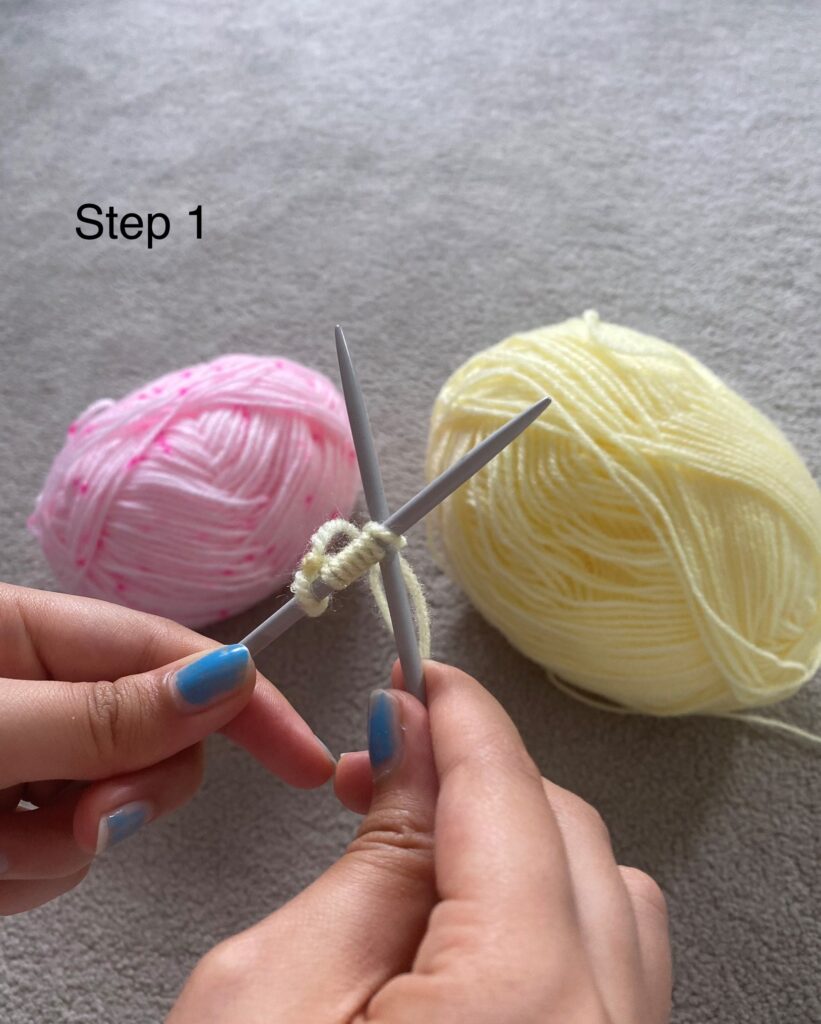
Step 1
Insert your right needle underneath the first stitch on your left needle.
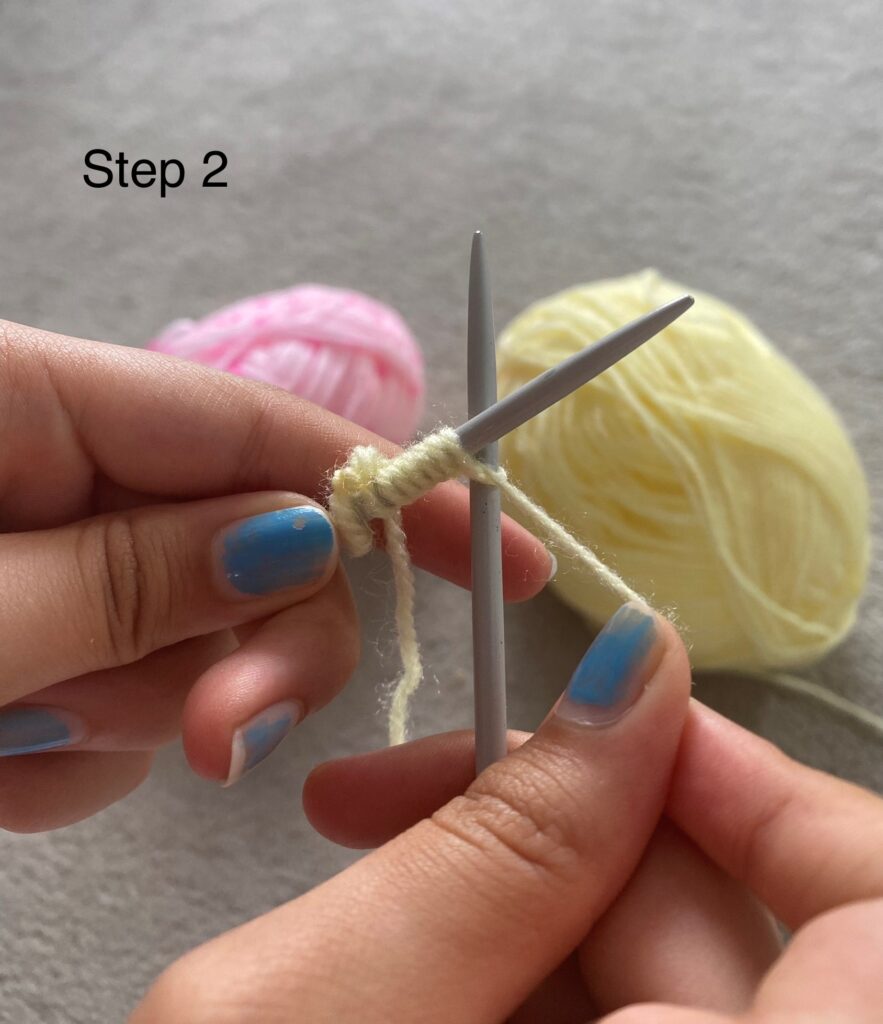
Step 2
Bring the working yarn around the right needle.
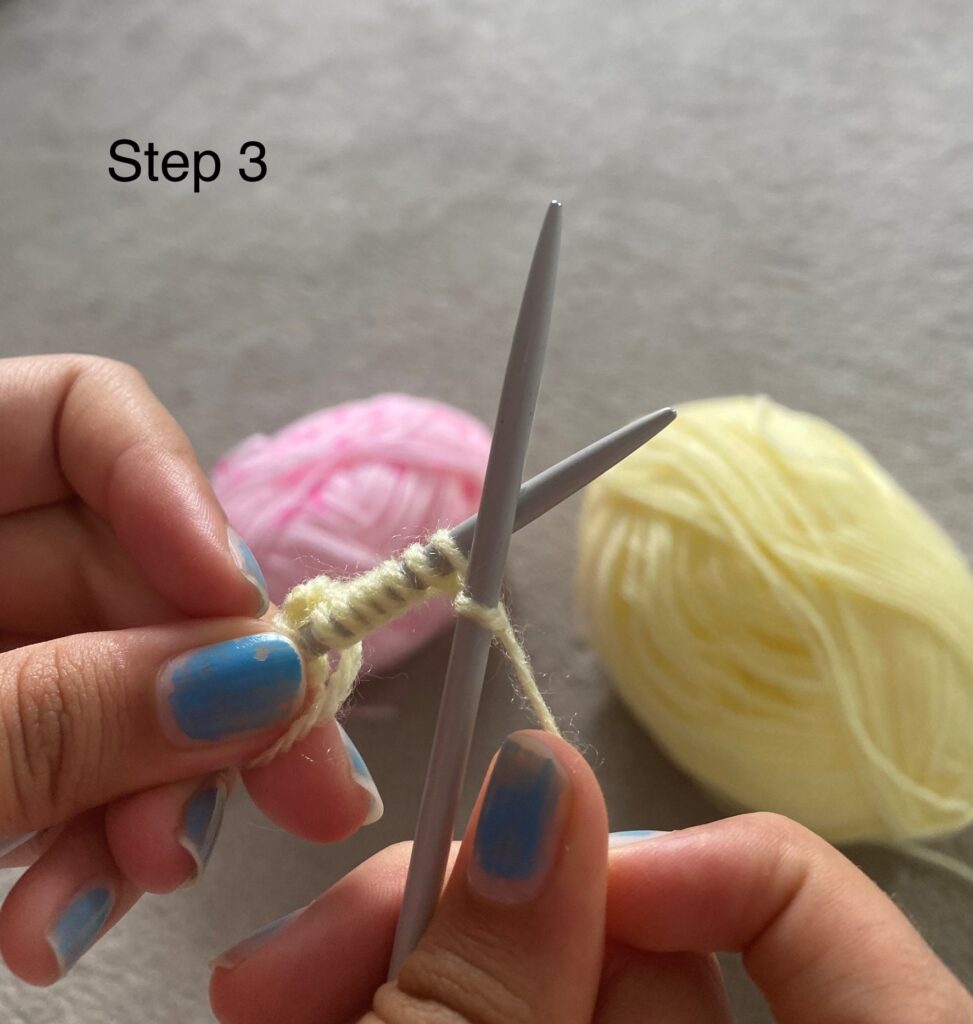
Step 3
Slide the right needle back bringing the yarn with it, so the right needle sits on top of the left.
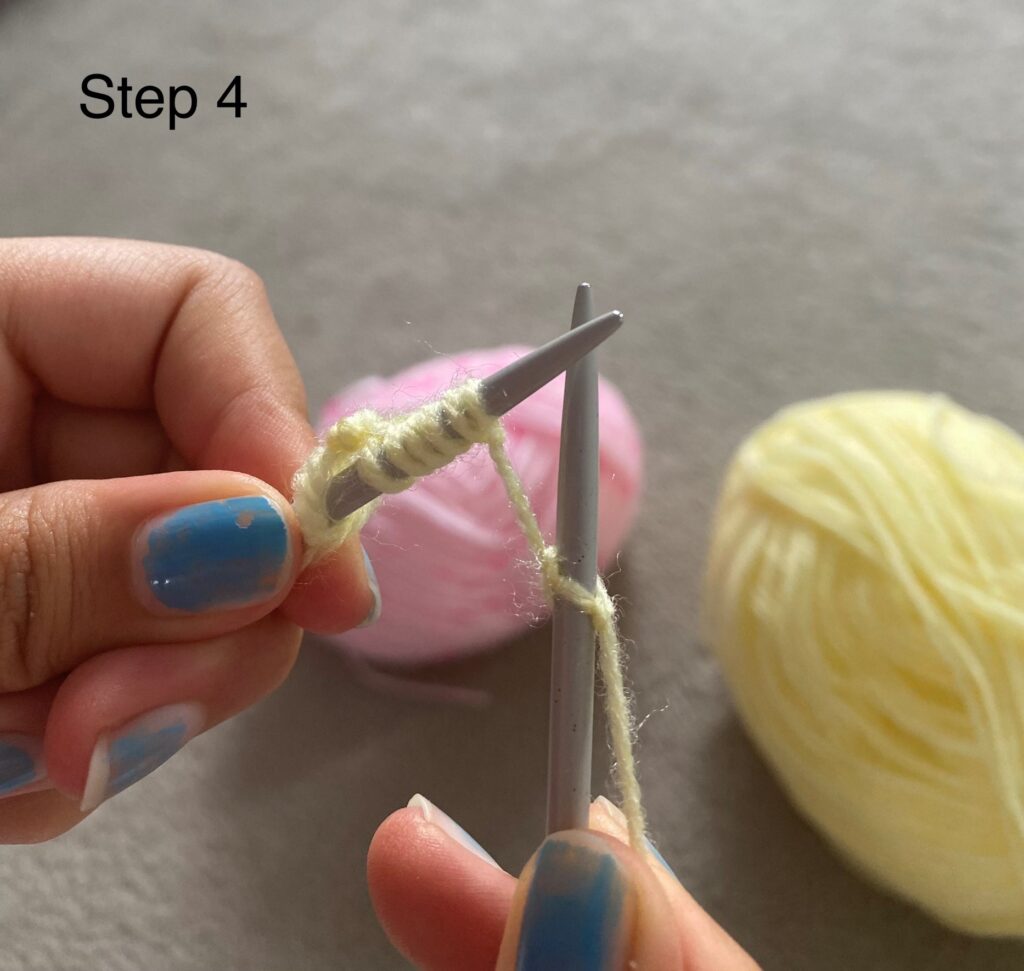
Step 4
Slide the stitch off the left-hand needle so you now have one knitted stitch on your right. You’ve completed your first knit stitch. Go you!
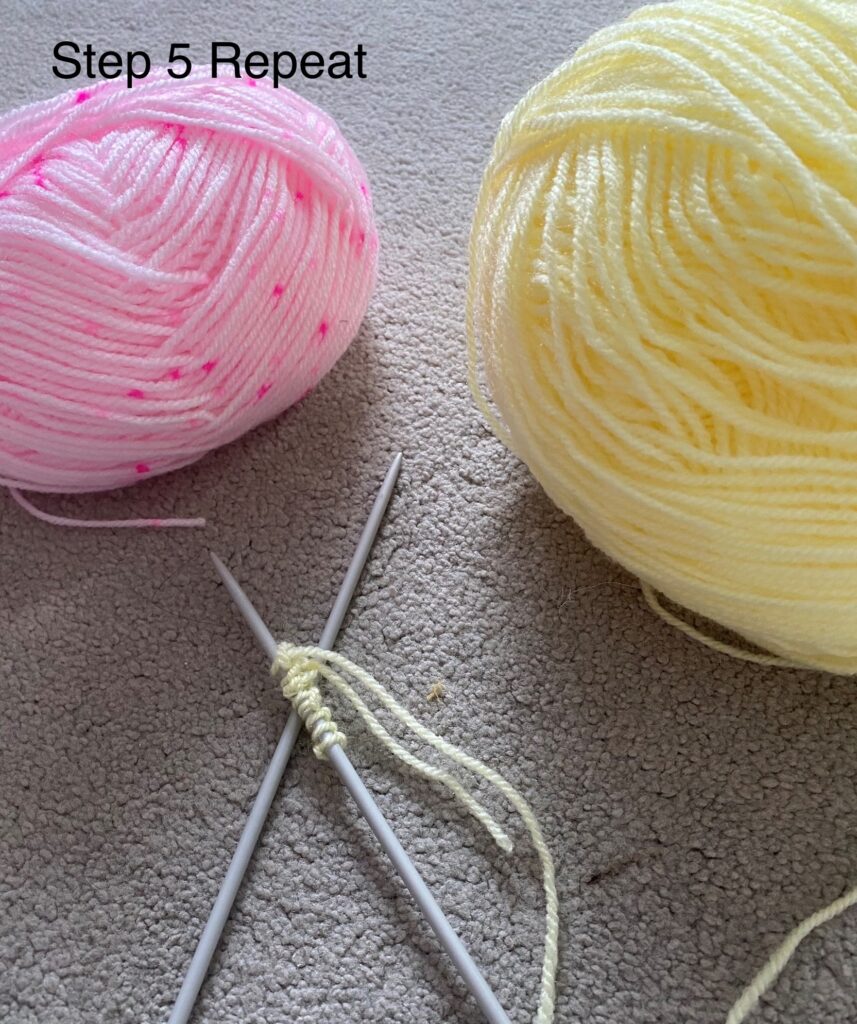
Step 5
Repeat your knit stitch until you’ve completed the first row!
To continue:
- Turn your right needle around and transfer it to your left hand. Swap your empty left hand needle into your right hand to begin stitching your second row using steps 1-5.
- Repeat the number of rows you’d like to build your fabric.
Click here to visit the Hobbies and Dementia Craftivism for more on crafts.
D) Reading
The first two suggestions here come from Raina, with other books suggested by the toolkit involvement group. If reading is difficult, consider trying audiobooks.
Wishing On A Star by Lydia Burdick and Jane Freeman
Simple Pleasures for Special Seniors by Dan Koffman
Somebody I used to know by Wendy Mitchell
Dear Alzheimer's by Keith Oliver
Welcome to Our World: A collection of life writing by people living with dementia with a foreword by Jo Brand
He is happy to do his art and gardening. He reads the newspaper, paints and makes sculptures.
A carer talking to our researchers about the activities their loved one with dementia did during the COVID-19 pandemic.
Stay positive – remember you are not alone.
How could we improve this page? Visit the Contact us page to let us know.
Ideas for happy days
You can print a paper version of this resource by clicking the button below.
