
Stay connected
Strategies for having a conversation (for family and friends)
Some people are anxious about speaking to people with dementia – what if I say the wrong thing? what if I make it worse? – but the main thing is to stay connected with each other.
We want to encourage family and friends to keep on chatting. Not only is it important for wellbeing, but conversation also helps people with dementia to practice (and retain) their conversational skills.
On this page you will:
- hear a conversation between a researcher and a carer about communicating with people with dementia
- get some top tips to help you feel confident
- hear about the benefits of continuing to stay connected and how you can enable this

This has been a really positive experience as I hadn't really spoken to my neighbours before. We all used to have a chat and check in with each other about how we’re coping during Clap for the NHS. This contact has been maintained since on an ad hoc basis (when we happen to be outside). It has been good to keep up the art of conversation. We used to go to plant fairs and have conversations with lots of people, so I’ve missed this and it's nice to be able to chat to people.
A carer talking to our researchers about the COVID-19 pandemic

A chat about conversations
In this video, Dr Alex Hillman, from the IDEAL team, and Monica, a Dementia Friend, carer and member of our research involvement group, reflect on what they’ve learned about having conversations with people with dementia. In this wide-ranging discussion they cover:
- how objects and the surrounding environment can help a conversation
- the journey of dementia and being open to changes
- the differences between talking in person and on the phone
- advice on having conversations with a person with dementia
Click on the image below to watch the video. It is 20 minutes long.
Top tips for having conversations
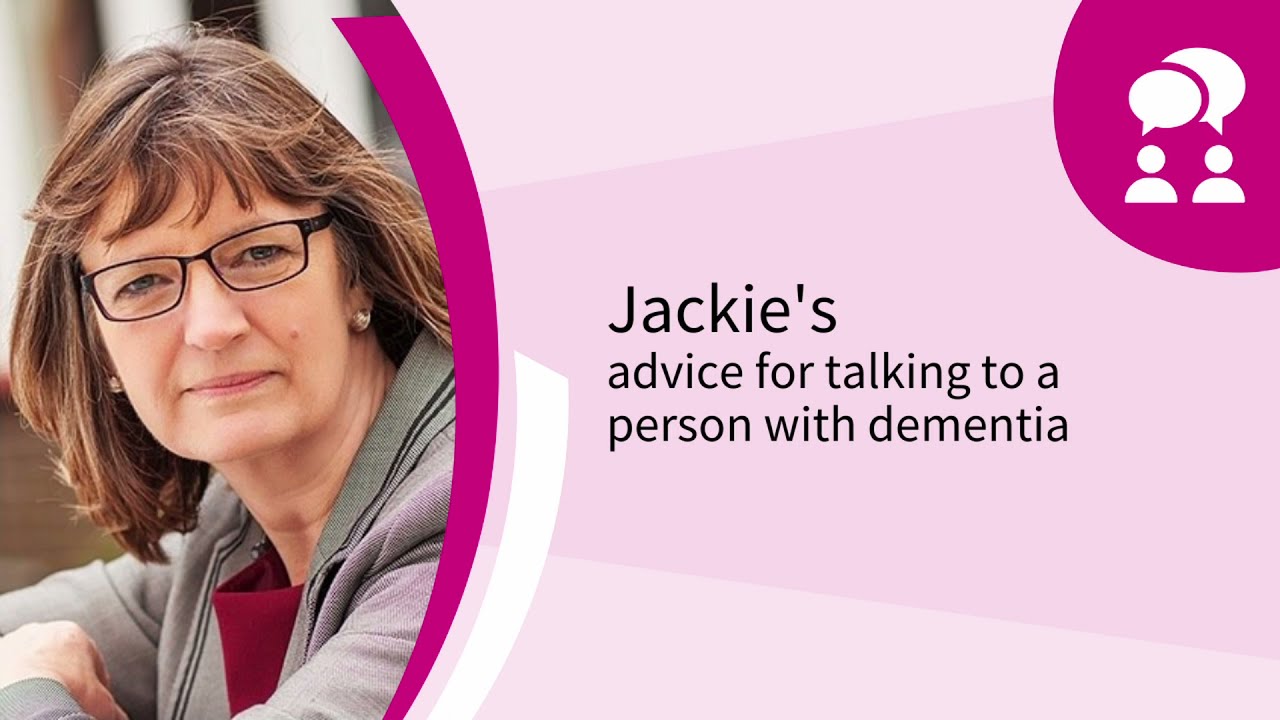
Jackie Pool is QCS Dementia Care Champion and an experienced Occupational Therapist. These are her top tips for being an understanding conversationalist.
- Slow down the pace of the conversation to support the person to process what you have said and to find their own words in response.
- Simplify your language by breaking sentences down to one at a time, cutting out unnecessary words if you can.
- Remind the person of the topic that you are discussing and tell them when you are moving onto another topic.
To hear Jackie talking through these top tips, watch the video below:
Click on the image below to watch the video. It is about 4 minutes long.
Encouraging you to stay connected
In the video below, a group of people from the dementia community offer their perspectives on how to approach conversations with people affected by dementia. They also emphasise the benefits of conversation for all parties – you really can make a difference by having a cuppa and a chat!
Click on the image below to watch the video. It is 5 minutes long.

How could we improve this page? Visit the Contact us page to let us know.
Strategies for having a conversation (for family and friends)
You can print a paper version of this resource by clicking the button below.
